
Unemployment Rate and Economic Health sets the stage for this enthralling narrative, offering readers a glimpse into a story that is rich in detail with an engaging overview of how unemployment rates affect economic health.
Exploring the intricate relationship between unemployment rates and the overall economy, this discussion sheds light on the significance of this economic indicator.
Unemployment Rate and Economic Health
Understanding the relationship between the unemployment rate and economic health is crucial in assessing the overall well-being of a country’s economy.
Importance of Unemployment Rate as an Economic Indicator
The unemployment rate serves as a key economic indicator that reflects the health of the labor market within a country. It provides valuable insights into the availability of job opportunities, the level of workforce participation, and the overall economic stability.
Relationship between Unemployment Rate and Economic Health
The unemployment rate and economic health are closely intertwined. A high unemployment rate typically indicates a struggling economy, as it suggests that a significant portion of the population is unable to find gainful employment. This can lead to decreased consumer spending, lower tax revenues, and overall economic downturn.
Impact of Changes in Unemployment Rate on the Economy
- Increased Unemployment Rate: A rise in the unemployment rate can result in reduced consumer spending, lower demand for goods and services, and a decline in economic growth. This can lead to a cycle of economic recession or stagnation.
- Decreased Unemployment Rate: Conversely, a decrease in the unemployment rate signifies a growing economy with more job opportunities. This often leads to higher consumer confidence, increased spending, and overall economic expansion.
- Structural Unemployment: Persistent high levels of unemployment can also indicate structural issues within the economy, such as mismatched skills or industries in decline. Addressing structural unemployment requires targeted policies and investments to retrain workers and stimulate job creation in emerging sectors.
Impact of Unemployment Rate on Consumer Spending
High unemployment rates can have a significant impact on consumer spending. When individuals are unemployed or fear losing their jobs, they tend to be more cautious with their money. This leads to a decrease in overall consumer spending, as people prioritize essential items and cut back on discretionary purchases.
Changes in Consumer Behavior During High Unemployment
During periods of high unemployment, consumer behavior shifts towards saving rather than spending. People are more likely to delay major purchases, such as homes or cars, and focus on necessities like groceries and utilities. This change in behavior can have a ripple effect on businesses, leading to decreased sales and potentially job losses in those sectors.
Significance of Consumer Spending for Economic Health
Consumer spending plays a crucial role in driving economic growth. It accounts for a significant portion of the overall economy and is a key indicator of consumer confidence. When consumer spending declines due to high unemployment rates, it can slow down economic activity, leading to a decrease in production, investment, and ultimately, GDP growth. Therefore, monitoring consumer spending patterns during periods of high unemployment is essential for assessing the overall economic health of a country.
Unemployment Rate and Government Policies
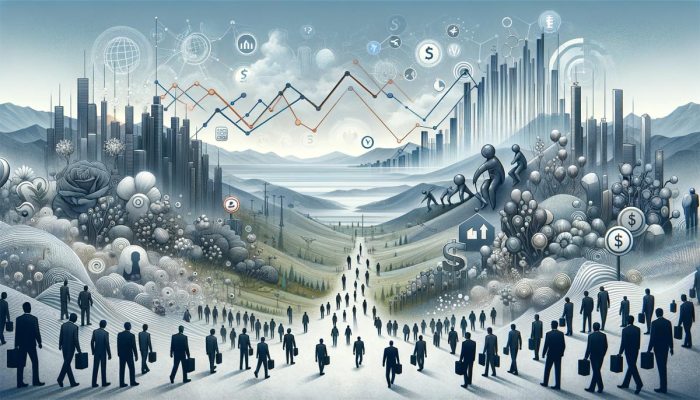
Government policies play a crucial role in addressing high unemployment rates by implementing strategies to stimulate job growth and support those who are unemployed. Two main types of policies used are fiscal and monetary policies.
Role of Fiscal Policy
Fiscal policy involves government decisions regarding taxation and spending to influence the economy. When it comes to combating unemployment, governments can use fiscal policy to create jobs through public works projects, provide training programs to enhance the skills of the workforce, and offer tax incentives to businesses that hire new employees.
Role of Monetary Policy
Monetary policy, on the other hand, is controlled by central banks and focuses on managing interest rates and the money supply. Central banks can lower interest rates to encourage borrowing and investment, which can lead to increased business activity and job creation. By adjusting the money supply, central banks can also influence overall economic growth and employment levels.
Examples of Government Interventions
- Subsidizing industries that are labor-intensive to create more job opportunities.
- Implementing unemployment insurance programs to provide financial support to those who are out of work.
- Offering job training and retraining programs to help unemployed individuals acquire the skills needed for available positions.
- Investing in infrastructure projects to create jobs and stimulate economic activity.
Economic Indicators
Economic indicators are data points used to assess the overall health and performance of an economy. They provide valuable insights into various aspects such as employment levels, production, consumer spending, and overall economic activity. These indicators help policymakers, investors, and businesses make informed decisions by predicting future economic conditions.
Types of Economic Indicators
- Leading Indicators: Leading indicators change before the economy starts to follow a particular pattern. They are used to predict changes in the economy and include data such as building permits, stock prices, and consumer confidence.
- Lagging Indicators: Lagging indicators change after the economy as a whole has already started to follow a particular pattern. They confirm long-term trends and include indicators like unemployment rate and corporate profits.
- Co-incident Indicators: Co-incident indicators change at the same time as the overall economy, providing a current snapshot of economic activity. Examples include industrial production, retail sales, and personal income.
In conclusion, the intricate dance between unemployment rates and economic health showcases the crucial role that policies and consumer behavior play in shaping the economic landscape.
General Inquiries
How is the unemployment rate used as an economic indicator?
The unemployment rate serves as a key metric to gauge the health of the economy by reflecting the percentage of people actively seeking employment.
What is the impact of high unemployment rates on consumer spending?
High unemployment rates can lead to reduced consumer spending as individuals may have less disposable income to allocate towards purchases.
How do governments address high unemployment rates?
Governments implement fiscal and monetary policies to combat high unemployment rates, aiming to stimulate job growth and economic stability.
What are economic indicators and why are they important?
Economic indicators provide insights into the overall economic health, helping analysts and policymakers make informed decisions based on economic trends.
How are economic indicators used to predict future economic conditions?
By analyzing leading, lagging, and coincident economic indicators, experts can forecast potential economic shifts and trends that may impact the future.


