Embark on a journey into the realm of Economic Indicators for Stock Market Predictions, unraveling the intricate relationship between economic data and market forecasts.
Delve into the core concepts and practical applications that shape investment decisions and market trends.
ECONOMIC INDICATORS
Economic indicators are data points that provide information about the health of an economy. These indicators are used by analysts, investors, and policymakers to assess the current and future economic conditions.
They play a crucial role in helping to understand the overall performance of a country’s economy and can indicate whether it is growing, stagnant, or in decline. By tracking these indicators, stakeholders can make informed decisions about investments, policy changes, and other economic activities.
Examples of Commonly Used Economic Indicators
- Gross Domestic Product (GDP): GDP measures the total value of all goods and services produced within a country’s borders. It is one of the most important indicators of economic performance.
- Unemployment Rate: This indicator shows the percentage of people who are actively seeking employment but cannot find jobs. A high unemployment rate can signal economic weakness.
- Inflation Rate: Inflation measures the rate at which prices for goods and services rise. It is a key indicator of the purchasing power of consumers and the overall stability of the economy.
- Consumer Confidence Index: This index reflects consumers’ optimism about the state of the economy and their willingness to spend. High consumer confidence often indicates a healthy economy.
Impact of Economic Indicators on Stock Market Predictions
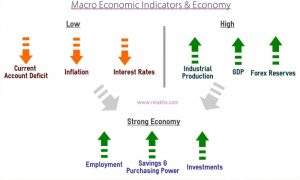
Economic indicators have a direct impact on stock market predictions. Positive economic indicators such as strong GDP growth, low unemployment rates, and high consumer confidence can lead to bullish sentiments in the stock market. Investors may be more willing to buy stocks, leading to an increase in stock prices.
On the other hand, negative economic indicators like high inflation, rising unemployment, or low consumer confidence can result in bearish trends in the stock market. Investors may become more cautious, leading to a decrease in stock prices.
UNEMPLOYMENT RATE
The unemployment rate is a crucial economic indicator that can significantly impact stock market predictions. When the unemployment rate is high, it often leads to reduced consumer spending, lower corporate profits, and overall economic downturn. On the other hand, a low unemployment rate usually indicates a healthier economy with higher consumer confidence and increased spending.
Relationship Between Unemployment Rate and Consumer Spending
The unemployment rate has a direct impact on consumer spending. When more people are employed, they have more disposable income to spend on goods and services, boosting economic growth. Conversely, high unemployment rates can lead to decreased consumer spending, affecting businesses and potentially causing stock market fluctuations.
Historical Data Analysis on Stock Market Trends and Unemployment Rate
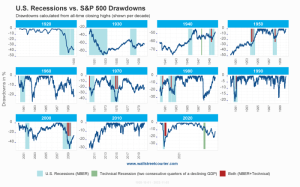
Historical data shows a correlation between stock market trends and changes in the unemployment rate. During periods of high unemployment, stock prices tend to decline as companies struggle to maintain profitability. Conversely, when the unemployment rate is low, stock markets generally perform better as consumer spending and corporate earnings increase.
Investor Interpretation of Unemployment Rate Fluctuations
Investors closely monitor fluctuations in the unemployment rate as it provides insights into the overall health of the economy. A rising unemployment rate can signal potential economic challenges ahead, prompting investors to adjust their portfolios accordingly. Conversely, a declining unemployment rate may indicate economic growth, leading to increased investor confidence and stock market optimism.
GDP GROWTH
When it comes to predicting stock market trends, GDP growth plays a crucial role as an economic indicator. The Gross Domestic Product (GDP) reflects the overall health and performance of a country’s economy, making it a key factor for investors and analysts to assess the potential direction of the stock market.
GDP data is used to forecast market trends by providing insights into the economic activity of a country. A rising GDP indicates a growing economy, which can lead to increased consumer spending, higher corporate profits, and overall market expansion. On the other hand, a declining GDP may signal economic contraction, potentially causing a decrease in stock prices and investor confidence.
Impact of GDP Growth on Stock Market Sectors
- Positive GDP growth rates typically have a positive impact on various sectors within the stock market. Industries such as consumer goods, technology, and healthcare often see increased demand and profitability during periods of economic expansion.
- On the contrary, negative GDP growth rates can have adverse effects on the stock market. Sectors sensitive to economic conditions, such as manufacturing, construction, and financial services, may experience a decline in revenues and stock prices.
Effects of Positive and Negative GDP Growth Rates
- Positive GDP growth rates tend to boost investor confidence, leading to higher stock prices and increased market activity. Companies may experience revenue growth and improved earnings, attracting more investors to the market.
- Conversely, negative GDP growth rates can result in market uncertainty and a decrease in stock prices. Investors may become cautious, leading to a sell-off of stocks and a potential economic downturn.
INFLATION RATE
Inflation rate is a key economic indicator that measures the rate at which prices for goods and services rise in an economy over a period of time. Understanding the impact of inflation on the stock market is crucial for making informed investment decisions.Inflation can have a significant impact on stock market movements. When inflation is high, it erodes the purchasing power of consumers, leading to a decrease in real returns on investments.
As a result, investors may demand higher returns to compensate for the loss in purchasing power, causing stock prices to decline. On the other hand, low inflation rates can stimulate economic growth and increase consumer spending, which may lead to higher stock prices.Investors tend to react to inflation by adjusting their investment strategies. In times of high inflation, investors may shift their investments towards assets that are considered inflation-resistant, such as commodities or real estate.
Conversely, during periods of low inflation, investors may focus on growth stocks or other assets that have the potential to benefit from a growing economy.Historically, different inflation scenarios have influenced stock prices in various ways. For example, during the 1970s when inflation soared, stock prices experienced a significant decline. In contrast, the period of low inflation in the 1990s was accompanied by a bull market in stocks.Central banks play a crucial role in managing inflation through monetary policy.
When inflation is high, central banks may raise interest rates to curb inflationary pressures. This can have a dampening effect on stock prices as borrowing costs increase and economic growth slows. Conversely, during periods of low inflation, central banks may lower interest rates to stimulate economic activity, which can boost stock prices.Overall, understanding the relationship between inflation rates and stock market movements is essential for predicting market trends and making informed investment decisions.
Central Bank Response to Inflation
Central banks closely monitor inflation rates and adjust monetary policy to maintain price stability. When inflation exceeds the target rate set by the central bank, they may implement contractionary monetary policy measures such as raising interest rates to control inflation. On the other hand, if inflation is below the target rate, central banks may implement expansionary monetary policy measures such as lowering interest rates to stimulate economic growth.
In conclusion, the discussion on Economic Indicators for Stock Market Predictions sheds light on the vital role these metrics play in guiding investors and shaping market outcomes.
Question & Answer Hub
How do economic indicators impact stock market predictions?
Economic indicators provide valuable insights into the health of the economy, influencing investor decisions and market trends.
What is the significance of GDP growth in stock market predictions?
GDP growth is a key indicator used to forecast market trends and assess the overall economic performance.
How does the unemployment rate affect stock market predictions?
The unemployment rate can impact consumer spending, investor sentiment, and overall market stability.
What role does inflation rate play in stock market movements?
Inflation rates can influence investor behavior, market sentiment, and the decisions of central banks, affecting stock prices.