
Most Important Economic Indicators sets the stage for this enthralling narrative, offering readers a glimpse into a story that is rich in detail with casual formal language style and brimming with originality from the outset.
Economic indicators play a vital role in deciphering the economic landscape, guiding crucial decisions across various sectors. Let’s delve into the world of economic indicators and unravel their significance.
Importance of Economic Indicators
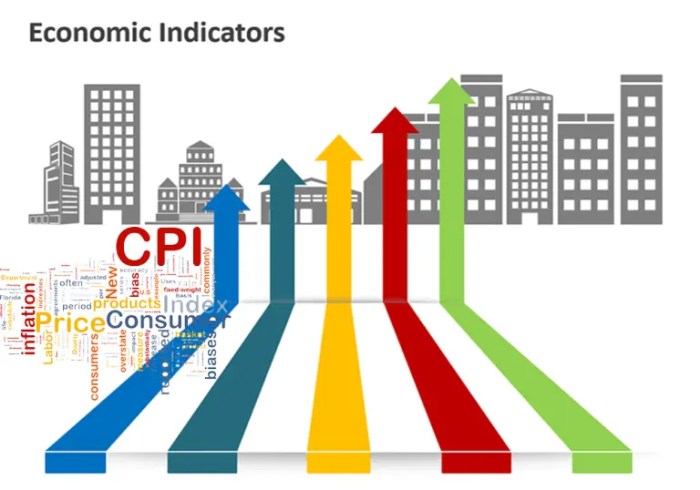
Economic indicators play a crucial role in providing valuable insights into the overall health and performance of an economy. These indicators serve as key metrics that help in assessing the current economic conditions, identifying trends, and predicting potential outcomes.
Impact on Decision-Making
Economic indicators have a significant influence on decision-making processes across various sectors. Businesses rely on these indicators to make informed decisions regarding production levels, investment strategies, and pricing policies. Policymakers use economic indicators to formulate effective economic policies and regulations. Investors analyze these indicators to make decisions about buying or selling assets in financial markets.
Forecasting Trends
Economic indicators are essential for forecasting trends and predicting future economic outcomes. By analyzing data on indicators such as GDP growth, inflation rates, unemployment levels, and consumer spending, economists and analysts can identify patterns and anticipate potential changes in the economy. This forecasting helps businesses, policymakers, and investors to prepare for future developments and adjust their strategies accordingly.
Types of Economic Indicators
Leading economic indicators are metrics that change before the economy starts to follow a particular pattern. They are used to predict the future direction of the economy and are vital for decision-making. Examples include stock market performance, building permits, and consumer confidence.
Leading Economic Indicators
- Stock Market Performance: A rising stock market is often seen as a positive sign for the economy, indicating investor confidence and potential growth.
- Building Permits: An increase in building permits suggests future construction activity, which is a positive indicator for economic growth.
- Consumer Confidence: High consumer confidence levels indicate optimism about the economy, leading to increased spending and economic expansion.
Lagging economic indicators, on the other hand, reflect the economy’s past performance. They confirm long-term trends and help economists understand the impact of recent economic changes. Examples include unemployment rates, corporate profits, and labor cost per unit output.
Lagging Economic Indicators
- Unemployment Rates: High unemployment rates indicate a struggling economy, as companies may be cutting jobs due to economic challenges.
- Corporate Profits: Declining corporate profits can be a lagging indicator of economic downturn, reflecting decreased consumer spending or increased production costs.
- Labor Cost per Unit Output: An increase in labor cost per unit output may suggest inflationary pressures, impacting a company’s profitability in the long run.
Coincident economic indicators provide real-time information about the current state of the economy. They move in line with the overall economic cycle, reflecting the present economic conditions. Examples include GDP growth rates, industrial production, and retail sales.
Coincident Economic Indicators
- GDP Growth Rates: Positive GDP growth rates indicate a growing economy, while negative growth rates may signal an economic slowdown or recession.
- Industrial Production: Increased industrial production is a sign of economic expansion, as it indicates higher manufacturing activity and demand for goods.
- Retail Sales: Rising retail sales suggest consumer spending is strong, which is essential for overall economic growth and stability.
Key Economic Indicators
Economic indicators play a crucial role in helping analysts, policymakers, and investors understand the health and direction of an economy. Here, we will explore some of the most important economic indicators used globally and analyze their impact on the economy.
List of Key Economic Indicators
- Gross Domestic Product (GDP): GDP measures the total value of all goods and services produced within a country’s borders in a specific period. It is a key indicator of economic health and growth.
- Unemployment Rate: The unemployment rate reflects the percentage of the labor force that is unemployed and actively seeking employment. A high unemployment rate can indicate economic distress and lower consumer spending.
- Inflation Rate: Inflation measures the rate at which the prices of goods and services rise over time. It is essential for understanding changes in purchasing power and overall economic stability.
Comparing the Impact of GDP, Unemployment Rate, and Inflation
Each of these indicators plays a unique role in shaping the overall economic landscape. GDP provides a broad measure of economic activity, while the unemployment rate reflects labor market conditions. Inflation, on the other hand, affects the purchasing power of consumers and businesses.
GDP growth is often positively correlated with low unemployment and moderate inflation rates, indicating a healthy and growing economy.
Influence of Consumer Spending, Industrial Production, and Housing Data
- Consumer Spending: Consumer spending accounts for a significant portion of economic activity. High consumer confidence and spending can drive economic growth, while low consumer spending can lead to economic contraction.
- Industrial Production: Industrial production measures the output of industrial sectors such as manufacturing, mining, and utilities. It is a critical indicator of economic health, reflecting changes in production capacity and demand.
- Housing Data: The housing market is closely tied to economic conditions. Rising home sales and prices can indicate a healthy economy, while a decline in housing activity may signal economic weakness.
Regional Variations in Economic Indicators
Regional variations in economic indicators play a crucial role in understanding the diverse economic landscapes across different parts of the world. These variations can provide valuable insights into the overall health and growth potential of economies, whether developed or developing.
Differences Between Developed and Developing Economies
Developed economies typically have a more stable and diversified economic structure, which reflects in their economic indicators. Key indicators like GDP per capita, unemployment rates, inflation, and consumer spending tend to be more consistent and predictable in developed economies. On the other hand, developing economies may exhibit higher volatility in these indicators due to factors like political instability, limited infrastructure, and reliance on natural resources.
Significance of Regional Variations for Global Economic Trends
Regional variations in economic indicators can have a significant impact on global economic trends. For example, a slowdown in a major developing economy like China can lead to disruptions in global supply chains and affect commodity prices worldwide. Similarly, a recession in a developed economy like the United States can trigger a domino effect on financial markets and investments globally.
Unique Effects of Economic Indicators on Different Regions
- The exchange rate is a critical economic indicator that can have varying effects on different regions. A stronger currency in a developed economy may boost imports and reduce export competitiveness, while the opposite may be true for a developing economy.
- Interest rates play a crucial role in shaping borrowing costs and investment decisions. Higher interest rates in developed economies can attract foreign investment but may hinder borrowing for businesses in developing regions.
- Employment rates can impact consumer confidence and spending patterns differently across regions. A rise in unemployment in a developed economy may lead to decreased consumer demand, while in a developing economy, it could result in social unrest and political instability.
As we conclude our exploration of the most important economic indicators, it becomes evident that these metrics serve as the compass for navigating the complex terrain of economics. By understanding and interpreting these indicators, individuals and entities can make informed choices that shape the economic future.
Frequently Asked Questions
Why are economic indicators important?
Economic indicators provide valuable insights into the health and performance of an economy, guiding decision-making processes for businesses, policymakers, and investors.
What are leading economic indicators?
Leading economic indicators are metrics that signal potential changes in the economy before they occur, offering valuable predictive insights.
How do economic indicators vary between developed and developing economies?
Economic indicators may differ significantly between developed and developing economies due to varying levels of infrastructure, industrialization, and market maturity.


